

Q&A: Tondreira Hall on How to Run SPD for One of the Best Level I Trauma Hospitals in the US
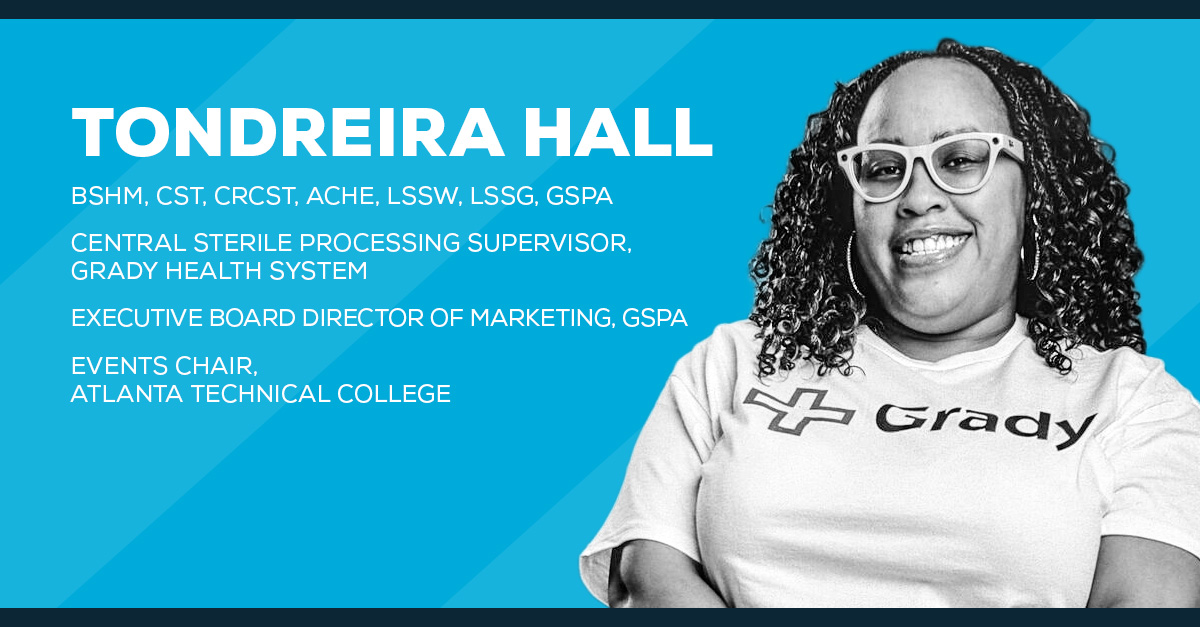
Atlanta, Georgia– What is it like to lead the sterile processing department (SPD) for a health system with one of the best Level I Trauma Centers in the country? Throw any number of adjectives at the question: fast-paced, unrelenting, intense, meticulous, demanding, emotional, but one of the only ways to really know the answer is to live it.
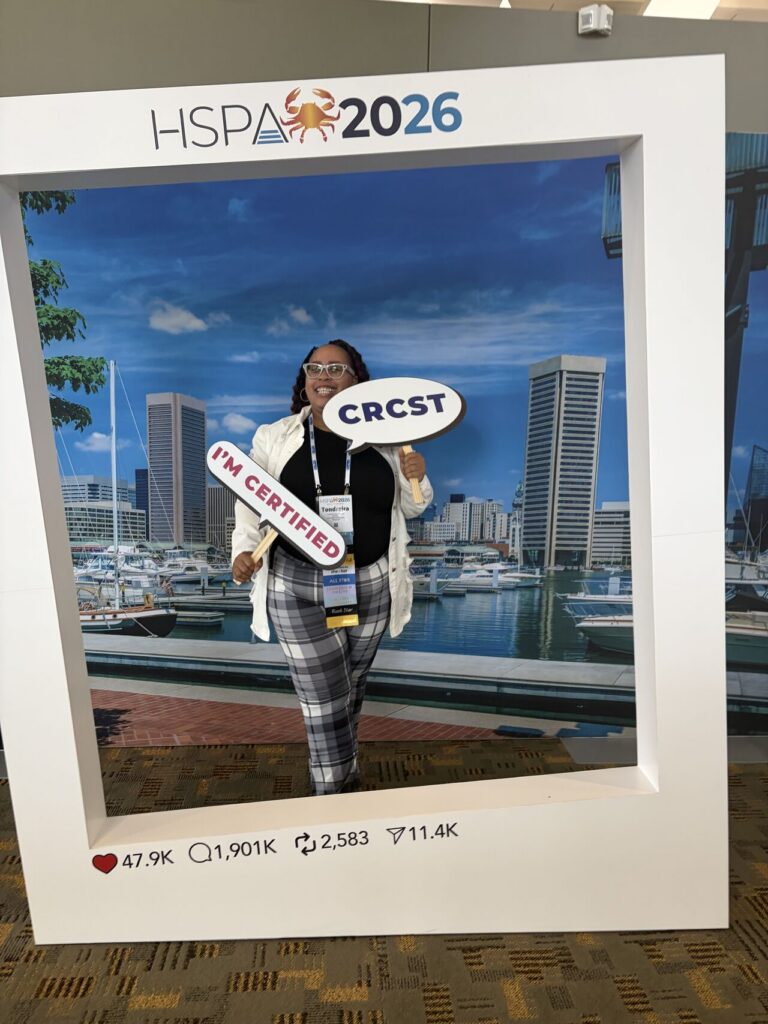
Tondreira Hall, BSHM, CST, CRCST, ACHE, LSSW, LSSG, GSPA, lives it every day.
As the Central Sterile Processing Supervisor for Grady Health System in Atlanta, Georgia, Hall determines and manages the instrument pathways for a 76-building system that spans the entire metro area. Beyond the main hospital campus, Grady includes neighborhood clinics, specialized offices such as OB or primary care, and standalone emergency rooms (ERs).
“I’m constantly communicating with all our various clinics, so they understand that they are just as much of a priority as the OR,” said Hall.
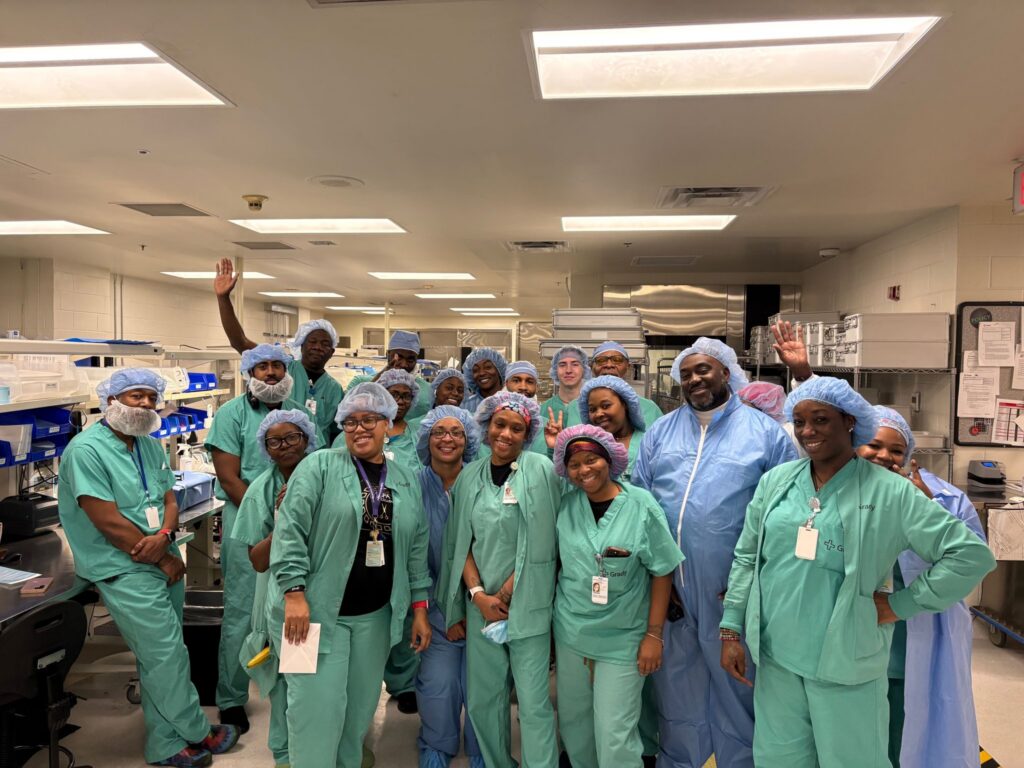
All told, more than 2,000 patients rely on Grady for care each day. And, it’s growing. The Health System is constructing a brand-new 200-300 bed hospital with its own SPD inside. Hall is leading plans for the new building’s SPD layout, and it’s not the first time she’s consulted on renovation projects for the system.
“At this point, give me a hard hat with my name on it,” said Hall.
Each day, Hall expertly handles more high-pressure situations than most people do in a year. But to her, creating calm out of a storm is her bread and butter.
Generously, Hall sat down with us at SterileBits to give the inside scoop on what it takes to keep this huge SPD machine well-oiled. Here’s just a small taste of her wisdom.
Q: How is leading an SPD for a health system with a Level I trauma center different than in another setting?
Hall: Trauma centers are different because while you have your scheduled procedures, you can’t plan when traumas will come in. You could have anything from a gunshot wound (GSW) victim to stab wounds to eye lacerations. We have an extremely heavy caseload, and we go through lots of supplies and instruments. We’ve had some new employees be shocked, saying, “Oh my God, y’all deal with this all the time?” Yeah, for us it’s a regular day. You get used to it.
Q: Wow. It sounds like you have to do a lot of preparing for the unpredictable. How do you do that?
Hall: It takes a lot of collaboration between departments. Our OR managers and their OR coordinators, plus all 19 trauma team surgeons, have had to sit down and come to an agreement on what instruments absolutely need to be on hand and ready in a tray for each emergent situation. That’s what we consider our 911 setup.
At the end of the day, the surgeons are the end users, so it’s very important to me to go to the surgeons and get their opinions on what they want and how they want it. So, at the beginning of the year, we did just that. It’s worked out very well.
Q: How do you foster strong communication between departments?
Hall: We have a text message chat that’s between all of our sterile processing leaders and the OR leaders and their OR coordinators. So everybody has access to that 24/7. Every other Wednesday, we have a meeting with our OR staff leaders and their coordinators as well in SPD. Whether we meet in person or virtually, we always address different issues that we’ve noticed throughout our department or their department. Then, we come up with a resolution together, which we report back to our teams.
Q: You’re one of those experts that people ask a lot of. At conferences, in hallways, on LinkedIn, someone is always asking your opinion. What are some of the most common questions people ask you? And how do you respond?
Hall: I think the biggest one is always, “What is it like working at a Level I trauma?” I always tell them it’s never a dull moment. We’re 24/7, 365, and the best advice I always tell them is to just stay calm. Don’t panic.
This is the funniest thing to me. One time, a young person came to me and said, “They need this right now. The patient’s on the bed!” I said, “First, breathe and calm down. This is a hospital. All the patients are in beds.”
They thought about it and chuckled and said, “You’re right.” So I said, “Calm down. One thing at a time. Now, what do they need? Okay, let’s go get it and send it to them.”
I always say give yourself a three-second breather. I get it. We got a lot of trauma coming in, but you can only do one thing at a time. I do believe, especially as a leader, when your staff sees that you can maintain calm, it’s much calmer for them. They don’t freak out.
Q: How do you stay calm in high-stress situations?
Hall: I’ve always had patience. But it’s also a skill that I have picked up over the years. I learned by being a surg tech. In the OR, sometimes things don’t go as planned, and doctors get upset and yell at everybody. I used to just be like, “Do you feel better? Cause now you upset your whole room, and we all still gotta wait till this product gets here. Nothing’s changed except, now, everyone’s stressed.”
If it’s not in your control, don’t allow it to upset you. Not saying you shouldn’t react to it, but you don’t need to have that extra stress on you. Stress is not good for anybody’s health. I’m a mother of two, and one of my children is disabled. I strongly believe I got to maintain my blood pressure and my heart rate. I am not gonna allow nobody to make me check out quicker than I need to.
Q: How often are you incorporating new technology in your SPD? Tell me about your priorities when it comes to integrating new technology. What are you looking for, and how do you hope that it’ll impact your department?
Hall: We incorporate new technology about every few months. As technology changes, we try to change with it. Anytime they come out with some new ones that have been approved, then we implement those right away.
When it comes to implementing new technology, a lot of our priorities come from: Is it something that will actually help our team be more efficient? Quality comes first, but with us being a Level I trauma hospital, we have to move quickly. So we want to make sure that we have everything easy and accessible.
I’m very techy, so I tend to collaborate with our vendors a lot. Right now, I’ve requested that our tracking system vendor add a compliance module, and I’m doing the trial run with them right now. I’ve also requested handheld devices, which would make the job much easier for staff to scan things versus having to stay stationary somewhere. They can walk away and actually have it in their hand.
To keep everyone in the department on the same page, I have a big old educational board where I post everything. I also created a newsletter that goes out once a month and includes all the information and educational opportunities the team needs to know about. I hold in-services as well, where our vendors come and educate our staff on proper handling of their instruments and tools.
Q: Any final thoughts you’d like to share?
Hall: One of the biggest things I like to share with people is to always treat every day as if you’re interviewing for your next position. You never know who’s watching, who’s observing. So be mindful of the way that you may respond to someone; be mindful of the way you may react as far as your body language and facial expressions, because that can have a big effect on how people will look at you and promote you to your next position.
SterileBits: Grow With Confidence
To learn about instrument protector cards and robobags by SterileBits, visit our Products page here.
To read more articles similar to this one, visit our Blog and follow us on LinkedIn and Facebook @SterileBits.