

How Robby Miller Builds Systems That Support Technicians and Protect Patients

Phoenix, Arizona – Modern sterile processing departments are defined by complexity. From robotic instrumentation and evolving regulations to staffing shortages and increasing surgical volume, SPDs must function as highly coordinated systems under constant pressure.
At St. Joseph’s Hospital and Medical Center in Phoenix, Arizona, Robby Miller has spent nearly three decades refining an approach to sterile processing leadership that doesn’t fight complexity—it embraces it.
As Manager of Sterile Processing at St. Joseph’s Hospital and Chair of the Sterile Processing Collaborative at CommonSpirit Health, Miller oversees operations that support 37 operating rooms and more than 100 cases per day. His department manages everything invasive that enters the hospital, from acquisition and repair to reprocessing and delivery.
Managing this scope requires structure, not improvisation. This is how he does it.
Measuring Success
The success of Miller’s team is best reflected in one record metric: 332 consecutive days without a dirty instrument returning to the operating room. This is the SPD’s “never” metric, meaning it should never happen, but counting how many days have gone by since the last incident helps keep the stakes of the job top of mind. In a department processing thousands of instruments across dozens of specialties, that outcome doesn’t happen by chance.
It happens because the department has been deliberately structured to prioritize patient safety and technician well-being.
“In sterile processing, it’s never about one person,” said Miller. “It’s about building a system where the team can succeed. None of my successes are my own. They are my team’s.” In an environment where stakes are high and variables are constant, Miller’s leadership shows that complexity doesn’t have to mean chaos.
Designing Systems to Scale
One of Miller’s defining leadership principles is that complexity must be met with systems that scale. Advanced surgical technologies, such as robotics and flexible endoscopes, necessitate intricate instructions for use (IFUs), making informal processes unsustainable. Miller addresses this by standardizing workflows wherever possible and leveraging technology to reduce variability.
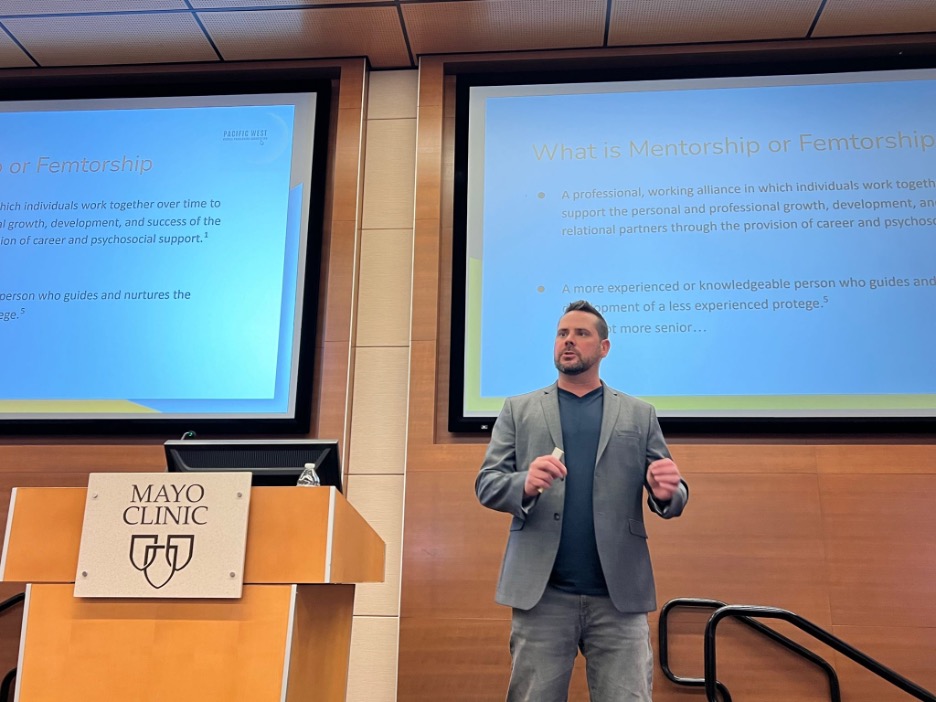
Instrument management systems are central to that strategy. By tracking assets, documenting processes, and placing instructions directly in front of technicians, these systems transform complexity into repeatable steps.
“We have amazing resources at our fingertips,” said Miller. “The key is deploying them in a way that actually supports staff in real time.”
Automation plays a similar role. From cart washers to automated endoscope reprocessors and modern sterilization systems, Miller views automation as a way to remove unnecessary burden from staff while ensuring consistency. The goal isn’t speed. Its reliability.
Compliance: From Barrier to Asset
Regulatory compliance is often seen as one of the most overwhelming aspects of sterile processing. Miller approaches it differently. Rather than treating regulations as external pressure, he leverages them as a helpful framework to organize workflow.
“When staff have access to the right information at the right moment, following IFUs becomes achievable,” he explains. Technology, documentation, and standardized processes allow compliance to become part of the workflow as opposed to an added layer of stress. In Miller’s model, compliance isn’t enforced or reprimanded—it’s a standard process.
Cultivating a Team
Managing complexity isn’t limited to instrumentation and technology. With a team of 43, Miller places equal emphasis on organizing people through clear communication and intentional staffing models.
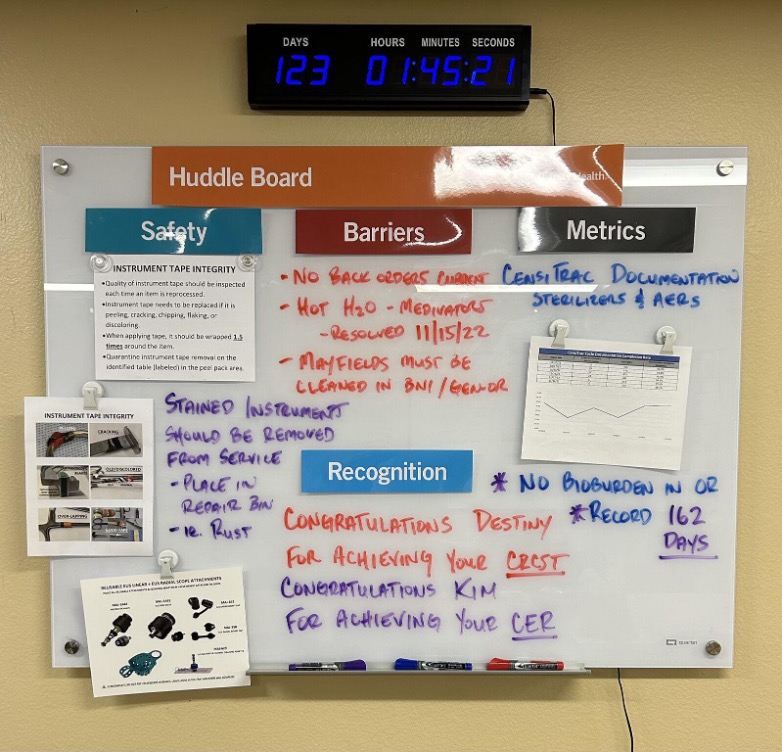
At St. Joseph’s, Miller has built shift overlap into the daily schedule to create touchpoints for shared learning and alignment. Before each shift, staff participate in a 20-minute huddle to align the team on potential nuances of that day’s work. This practice also ensures continuity as work transitions between teams.
Wednesday huddles are reserved for education, providing paid, protected time for technicians to build competency and confidence.
“Education has to grow with the work,” said Miller. As devices become more specialized, structured learning becomes the backbone of safe processing. Certification support and ongoing training aren’t extras—they’re necessary tools for managing complexity at scale.
Strategic Partnerships as a Solution
Cultivating strong vendor relationships is another way Miller brings order to a complicated environment. Rather than viewing vendors as outsiders, he integrates his vendor partners into his system. Clear communication channels, mutual accountability, and shared goals allow vendors to support education, implementation, and troubleshooting for the SPD.
“When complexity increases, communication becomes everything,” said Miller. Strong partnerships ensure that new technology doesn’t introduce chaos, but rather becomes a manageable, supported addition to existing workflows.
SterileBits: Making “Easy” the New Norm
Learn how instrument protector cards by SterileBits are making “easy” the new normal.
To read more stories similar to this one, visit the blog on www.sterilebits.com and follow SterileBits on LinkedIn and Facebook.