

Why Trust in SPD Diminishes, and How to Win it Back With Angela Lewellyn, CRCST, CER, CHL, LPN, HACP-IC

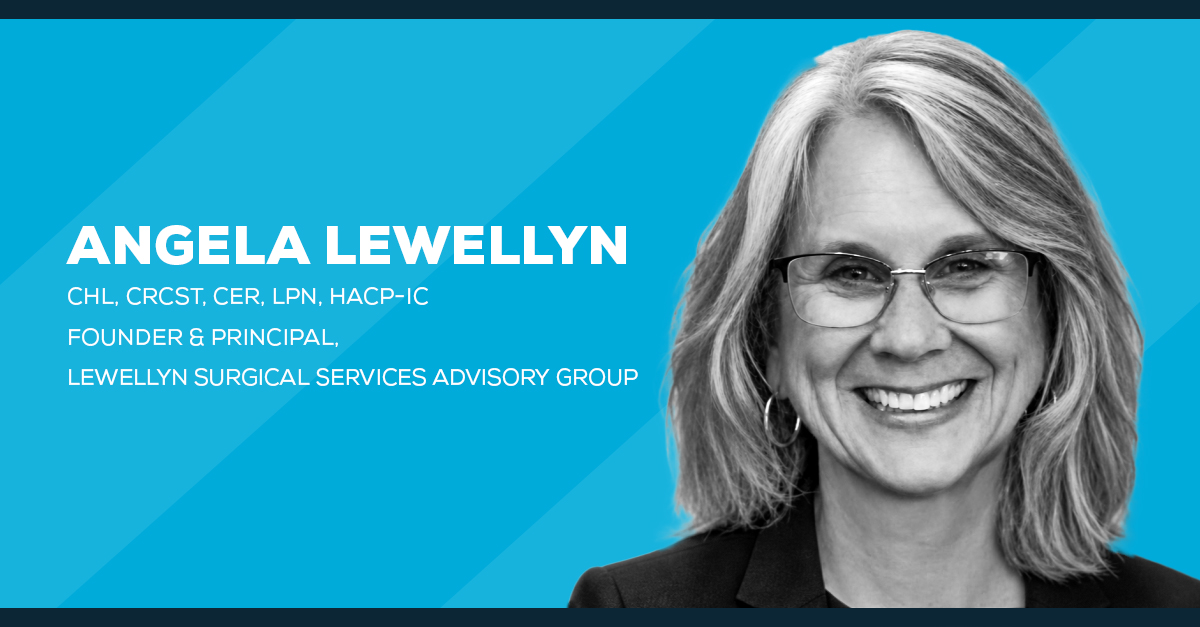
What actually happens when the OR discovers an instrument isn’t fit for use? Among other consequences, trust in SPD diminishes, and it can be hard to win it back. Angela Lewellyn, CRCST, CER, CHL, LPN, HACP-IC, is an expert in winning back trust. Here’s how she does it.
Asheville, North Carolina– Trust is one of the most valuable assets a sterile processing department can have, and it’s one of the easiest to lose.
Every day, surgeons, surgical technologists, and OR nurses rely on sterile processing departments (SPDs) to deliver clean, complete, and sterile instruments. When that process works consistently, trust grows. But when trays arrive with missing instruments, bioburden, damaged packaging, or other quality issues, confidence begins to erode.
Over time, even small mistakes can create lasting skepticism between the operating room and sterile processing.
Angela Lewellyn, CRCST, CER, CHL, LPN, HACP-IC, spends her days tackling the problem of distrust. A sterile processing educator, consultant, and industry leader with more than three decades of healthcare experience, Lewellyn has spent her career helping healthcare organizations strengthen quality systems, develop sterile processing professionals, and improve collaboration between SPD and the operating room.
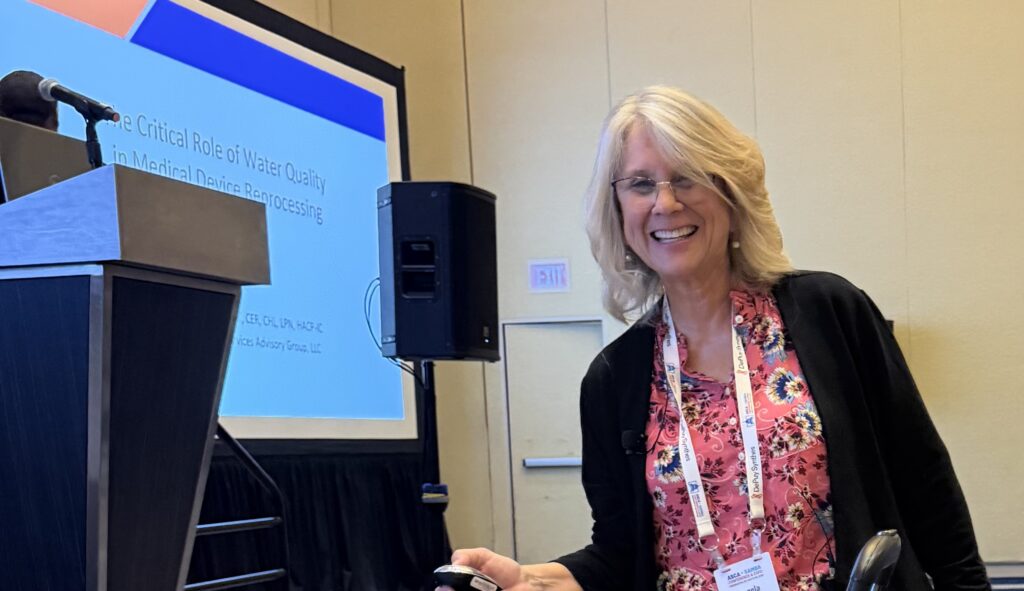
“The most common challenge I address in my work is trust,” said Lewellyn. “If OR staff have had too many challenges in a certain service, and those challenges keep repeating, it diminishes the trust in sterile processing. That’s the root of many problems for SPD, the OR, and for patient safety and satisfaction.”
The consequences extend far beyond frustration. If contamination or debris is discovered after instruments have reached the sterile field, entire setups may need to be broken down and replaced. Surgical technologists have both the authority and responsibility to stop the process whenever sterility is in question.
“The rule is, if in doubt, throw it out,” said Lewellyn.
Cases can be delayed while SPD locates and processes replacement instruments. In some situations, procedures must be postponed altogether. Delayed procedures increase costs, disrupt schedules, frustrate clinical teams, and create stress for patients awaiting care.
What Happens When Trust Declines
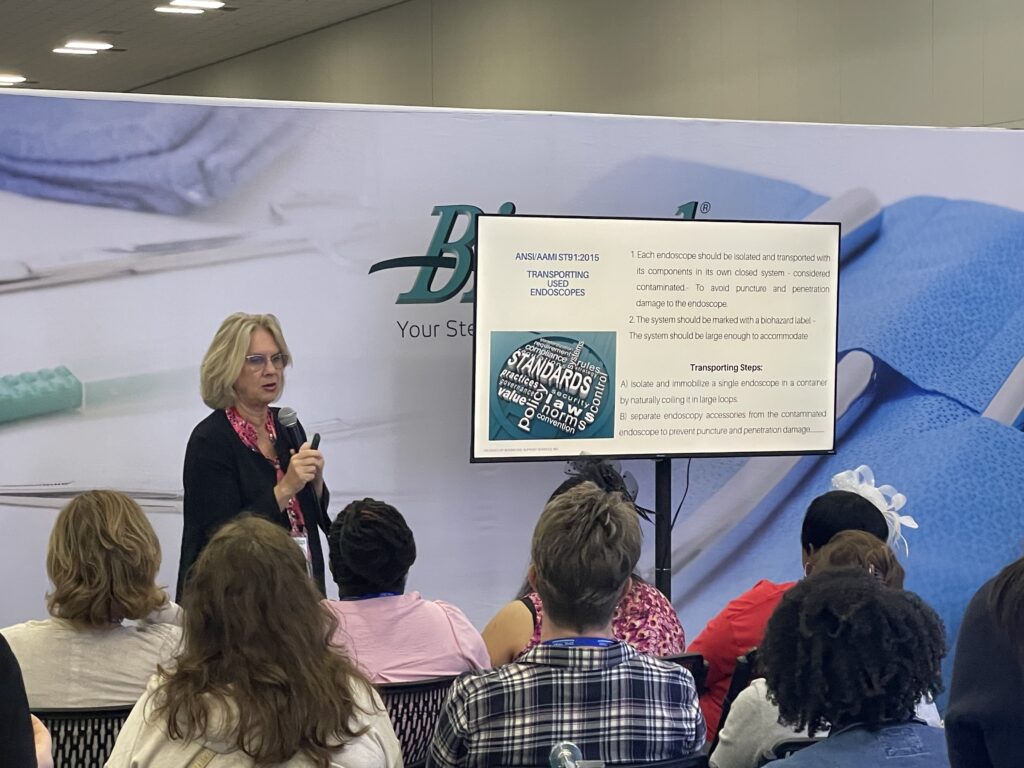
As trust declines, operating room teams inspect every tray more closely, question SPD processes more frequently, and become increasingly hesitant to rely on the department. That’s when the operating room staff often begin creating their own solutions.
Lewellyn has personally witnessed situations where staff members hid instruments in lockers or attempted to manage instrument turnover themselves because they no longer trusted the system to provide what they needed.
While these workarounds are intended to prevent delays, they often create additional safety and compliance risks.
How to Create Visibility and Rebuild Trust
Rebuilding trust can feel like a heavy task. But it doesn’t have to be.
According to Lewellyn, it starts with just one thing: making SPD visible.
Too often, sterile processing and operating room teams function as separate departments despite sharing responsibility for patient care. The result is a lack of understanding about each other’s challenges, priorities, and workflows.
One practice Lewellyn has successfully implemented is assigning an SPD liaison to regularly visit operating rooms before cases begin. The goal is simple: verify that teams have everything they need and address concerns before they become problems, and, importantly, before there’s a patient on the table.
“The interaction may be as simple as a quick check-in, but it sends a powerful message,” said Lewellyn. “It really increases trust to know that SPD is part of the team and in the room, or at the door, to help them.”
Lewellyn also advocates for regular interdisciplinary meetings between SPD leaders, surgical technologists, circulators, and other stakeholders. These conversations create opportunities to discuss challenges, celebrate successes, and solve problems collaboratively.
Trust grows when teams communicate consistently and view each other as partners rather than separate departments.
Building Quality Into the Process
While communication and visibility are essential, Lewellyn believes lasting trust is ultimately built through reliable systems.
For more than a decade, she has championed the implementation of seven quality checkpoints throughout the sterile processing workflow. Modeled after manufacturing quality systems, these checkpoints create opportunities to identify problems before they reach the operating room.
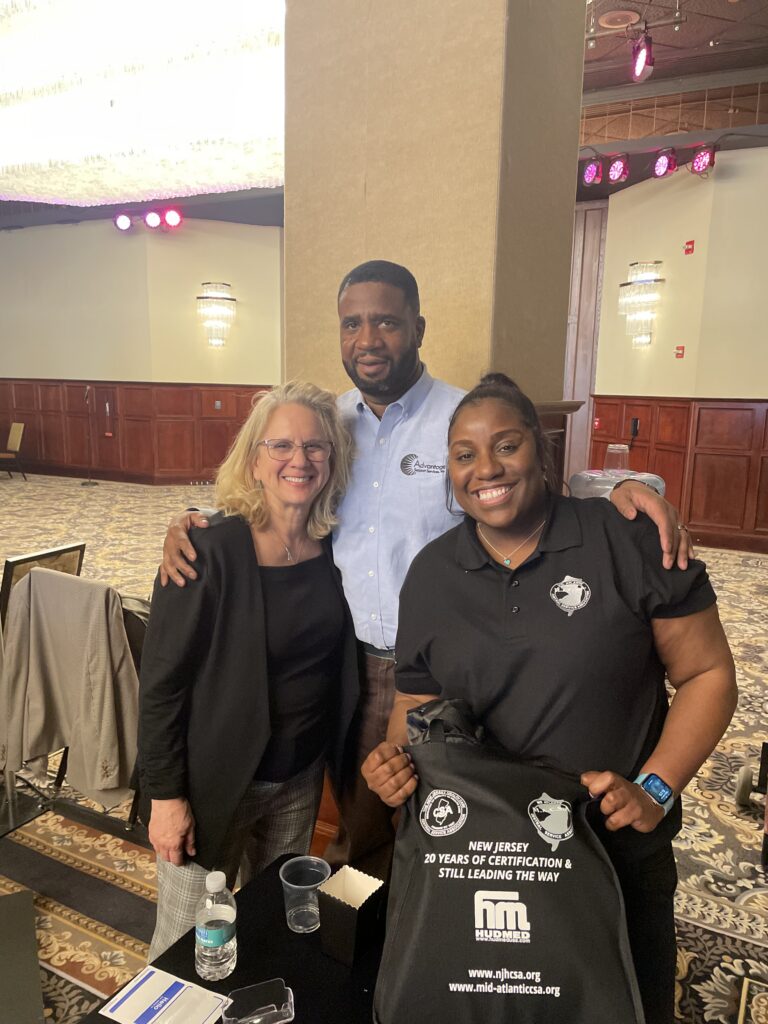
The concept is straightforward: every stage of the process should include a quality review, and technicians should have the authority to stop workflow if standards are not met.
Just as surgical technologists can reject an instrument that appears compromised, sterile processing professionals should have the authority to halt the process and send instruments back for correction whenever quality concerns are identified.
“We are a production process, and we should treat our work with the same respect as a manufacturer would by having quality checks along the way,” said Lewellyn.
The approach creates accountability, reinforces quality expectations, and helps prevent small issues from becoming larger problems that affect patient care.
Sometimes the Problem Isn’t SPD
It’s important to note that not every issue that damages trust originates inside the sterile processing department.
Increasingly, Lewellyn sees facilities struggling with water and steam quality issues that affect instrumentation and tray quality. Staining, residue, black specks, and other contamination concerns can often be traced back to infrastructure problems rather than technician performance.
“Water quality treatment, for example, doesn’t necessarily have a lot to do with sterile processing,” said Lewellyn. “It has a lot to do with facility engineers or third-party vendors. That’s why we need to give sterile processing a seat at the leadership table. So SPD can flag these concerns that are out of their hands.”
Many facilities lack proper oversight of critical water systems, filtration equipment, or steam quality programs. When organizations assume every tray issue is an SPD failure, they may overlook the true root cause and miss opportunities for meaningful improvement.
Trust Is Earned Every Day
Trust between SPD and the operating room is not built through a single initiative or meeting. It is earned through consistent performance, open communication, and a shared commitment to quality.
When departments work together to identify root causes, solve problems collaboratively, and establish meaningful quality controls, trust becomes more than an idea. It becomes a real asset to healthcare institutions.
For Lewellyn, that’s the ultimate goal. By combining strong communication with robust quality systems, healthcare organizations can move beyond simply reacting to problems and create environments where trust is continually reinforced in every tray, every instrument, and every case.
SterileBits: Building Trust
SterileBits instrument protector cards and Robobags foster trust between SPD and the OR by protecting the sterile barrier of instruments on their journey from SPD to the OR.
To learn more about SterileBits solutions for maintaining sterility across touchpoints, visit sterilebits.com.
To read more stories similar to this one, visit the SterileBits blog and follow SterileBits on Facebook and LinkedIn.